

A bag of pet food tells consumers quite a lot about what is inside. The ingredient list identifies the components of the recipe, the nutritional information provides an indication of its composition, and the feeding instructions explain how the product should be used.
What the packaging cannot easily communicate is the work involved in manufacturing that product consistently.
Pet food quality depends on a series of decisions and controls throughout production, beginning well before the finished food is ready for inspection.
Ingredients and Production
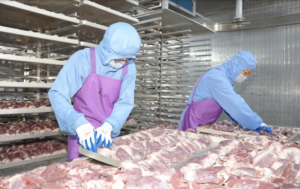
Selecting ingredients involves evaluating their suitability for a particular recipe. Meat, for example, contributes protein and flavor, but its fat content, moisture and physical properties can also influence how a product behaves during processing.
Other ingredients may contribute essential nutrients, help maintain a particular texture or allow a product to hold its shape.
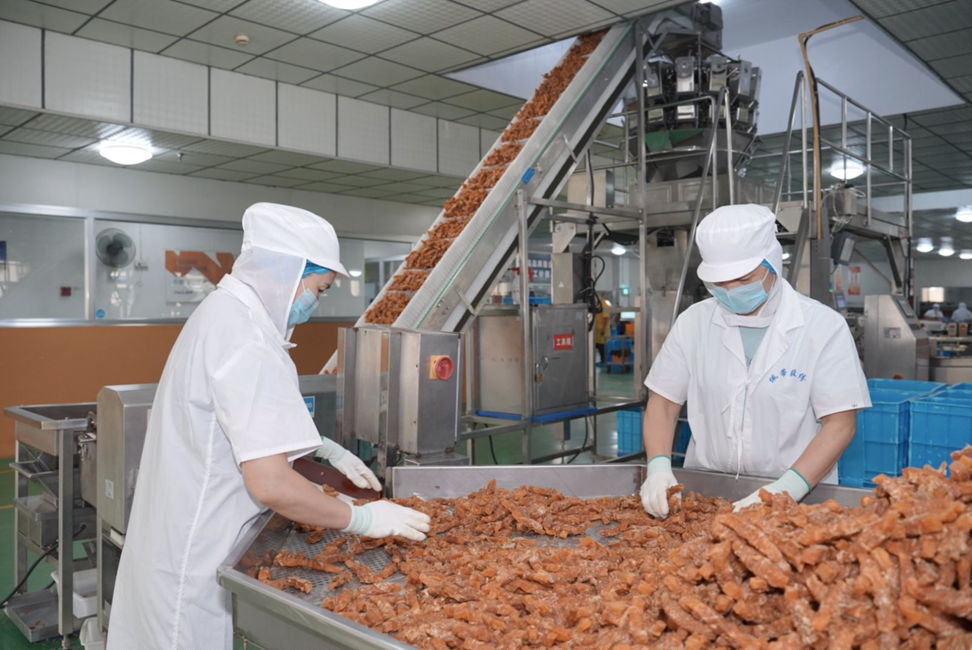
The manufacturing requirements of a dried meat treat are quite different from those of a baked kibble or a dental chew. Depending on the product, production may involve preparing ingredients, blending, shaping, heating, drying, cooling, inspection and packaging.
Temperature and processing time can affect both the nutritional and physical characteristics of food. Moisture control is particularly important for dried products, where the availability of water influences microbial growth and storage stability.
Experienced production personnel play an important role in managing these variables. Their responsibilities include following established procedures, monitoring production conditions and identifying deviations that could affect the finished product.
Preventing Problems During Manufacturing
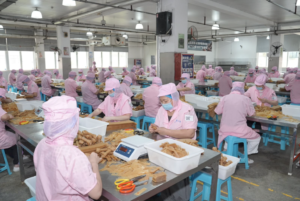
One established approach to food safety is HACCP, which stands for Hazard Analysis and Critical Control Points.
A HACCP system examines the manufacturing process to identify biological, chemical and physical hazards. It then determines where specific controls are necessary, establishes acceptable operating limits and defines how those controls should be monitored.
If a critical limit is not met, the system provides a framework for corrective action.
Peidi Group identifies HACCP-based management as part of its manufacturing quality control approach, using its animal-hide chew production process as one example of how controls are incorporated into successive production stages.
The purpose of this approach is preventive. Rather than relying exclusively on testing finished products, manufacturers identify and manage significant risks at the stages where they can be controlled.
What Happens in the Laboratory?
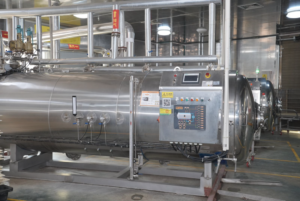
According to Peidi Group, its manufacturing bases are supported by internal laboratories with testing capabilities covering more than 30 parameters.
These include nutritional analysis, microbiological testing and pesticide residue analysis.
Each category answers a different question. Nutritional analysis helps establish whether the composition of a sample meets its intended specifications. Microbiological testing can help identify contamination or hygiene concerns, while residue testing provides information about certain chemical hazards associated with raw materials.
Laboratory findings can also help manufacturers investigate unexpected results, evaluate ingredients and assess whether production controls are working as intended.
The appropriate tests depend on the ingredients, product category and relevant safety requirements. A laboratory’s overall testing capability does not mean that every individual product requires the same set of tests.
Reliable quality management therefore combines testing with ingredient specifications, staff training, documented procedures and ongoing oversight of manufacturing conditions.
A finished product inspection provides useful information about the samples examined. A well-managed production system addresses the wider question of how that quality can be maintained across successive batches.